 English
 Pусский
 Español
Why Is My Oil Immersed Transformer Overheating – Common Causes and Fixes

 by changan electric
The temperature gauge is climbing past the red line. The tank surface is too hot to touch. If you hear the gas relay humming or see oil leaking from gaskets, you‘re looking at an Oil Immersed Transformer in thermal distress. Left unchecked, overheating degrades insulation, accelerates oil decomposition, and can lead to catastrophic failure. The causes range from simple fixes—cleaning a dust‑blocked radiator—to serious internal faults requiring immediate shutdown. This guide walks through a proven diagnostic hierarchy: start with load, then cooling system, then oil condition, and finally internal inspection. These principles apply across all oil‑filled distribution transformers in industrial and utility service.
Is your load really the problem?
Overload is the most common cause of overheating. Every Oil Immersed Transformer has a nameplate rating. When the load exceeds that rating, heat generation outpaces heat dissipation. Even a 10% overload can reduce transformer life by 50%. Overheating due to overloading degrades insulation and overall efficiency.
Compare actual current with the nameplate
Measure the current on each phase against the nameplate full‑load amps. If any phase exceeds the rating, reduce load or shift circuits to other transformers.
When VFDs and rectifiers add hidden heat
Non‑linear loads create harmonic currents that increase eddy current losses in the windings, generating additional heat that does not show up on a standard ammeter. Harmonic current can increase load loss by nearly 0.5 times. The overheating problem occurs when transformers are loaded with non‑linear loads, reducing insulator winding life. If your facility uses variable frequency drives, UPS systems, or battery chargers, harmonics are a likely contributor.
Two ways to cool things down
Reduce total load below the nameplate rating. For harmonics, measure total harmonic distortion (THD) with a power quality analyzer. If THD exceeds 5% at rated load, install a harmonic filter on the secondary side.
Where the cooling system usually fails
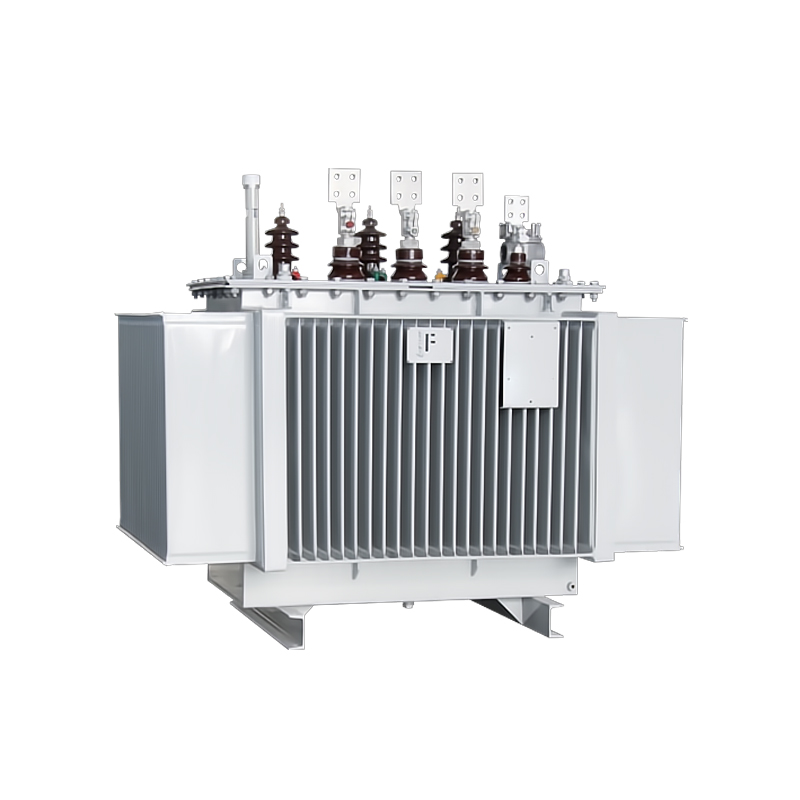
The oil in an Oil Immersed Transformer serves both as insulation and coolant. Heat travels from the windings to the oil, then to the tank walls and radiators, where it dissipates into the air. If any part of this path is blocked, heat accumulates.
Dust‑blocked radiators
On hot days, the radiator surfaces must be clean for air to flow freely. Dust, cottonwood, and dirt buildup acts as insulation. Run your hand across the radiator surface when the transformer is under load. Cool sections indicate blocked airflow. Clean radiators with compressed air (from the inside out) or a pressure washer (with the transformer de‑energized), maintaining safe clearance from live parts.
Fans that won’t spin
Listen for unusual noise or vibration from cooling fans or pumps. If a fan is not running when it should be, test the motor with a multimeter. Clean or replace faulty blades, repair or replace the motor, and verify automatic fan operation at set oil temperatures.
Oil pump running backward
For forced oil circulation units, a reversed pump reduces flow to nearly zero. Check the rotation arrow on the pump housing. Swap any two phases at the motor terminal box if the pump runs backward. The cooling system is the most common point of failure in field installations.
What the oil level and quality hide
The oil level must be high enough to keep the core and windings submerged at all times. Low oil level can expose energized components designed to operate in oil, leading to overheating or an electrical flashover.
Leaks that drop the level
Inspect gaskets, welds, and valve fittings for visible oil stains. Even a small drip over weeks adds up. If the oil level on the gauge is below the 25°C mark, top up immediately with oil of the same type and voltage rating.
When oil goes bad
Over time, transformer oil absorbs moisture and forms acids that accelerate insulation aging. Moisture reduces the oil‘s dielectric strength and cooling capability. Take an oil sample and send it to a lab for dissolved gas analysis (DGA) and moisture content testing. DGA helps detect overheating or discharge faults early. If oil fails tests but the transformer is otherwise sound, filter and dehydrate the oil on site. If oil is beyond recovery, replace it entirely.
Signs of trouble inside the tank
If all external checks pass, the problem may be inside the tank. Internal overheating often shows distinctive signs.
Loose connections that burn
Tap changer contacts, bushing connections, or winding leads can loosen over time. The increased resistance creates localized heat. When the tap changer contact has insufficient pressure or contamination, contact resistance increases, causing heating—especially after tap changes or during overload. Oil chromatography will show acetylene (C₂H₂) when arcing occurs.
Core grounded twice
The transformer core must be grounded at exactly one point. A second unintended ground creates a circulating current that overheats the core locally. Clamp a meter around the core ground lead. Any measurable current above a few hundred milliamps indicates a multiple ground fault.
When to stop guessing and call for help
If you see temperature rise at no load, rising oil temperature during daily operation indicates a serious internal fault—typically overheating of the iron core or short circuit between winding turns. Arrange a shutdown and internal inspection.
A simple decision tree to pinpoint the cause
Use this path to avoid wasted effort.
Temperature rises only at high load → start with load check. Measure current on each phase. If current exceeds nameplate rating, reduce load. If current is within rating but THD exceeds 5%, address harmonics.
Temperature is high even at no load → cooling system first. Check radiator surfaces for blockage. Confirm fans and pumps operate. Verify oil level on gauge.
Temperature is normal at load but rises gradually over days → oil quality or internal issue. Take oil sample for DGA. If acetylene appears, prepare for internal inspection.
Spikes in top oil temperature and activation of pressure relief devices indicate immediate shutdown.
On‑site fixes you can apply today
Clean radiators. Use compressed air from inside the radiator outward, or a pressure washer with transformer de‑energized, keeping safe distance from live parts.
Adjust fan controller settings. If fans start too late, lower the setpoint to 60°C for first stage. If fans run continuously, raise the setpoint to 70°C.
Add temporary external fans. During emergency high‑load periods, position portable industrial fans to blow air across radiators. This can lower top oil temperature by 10–15°C.
Top up oil to correct level. Add oil only of the same type and voltage rating, to the 25°C mark on the gauge, after withdrawing heavy gas protection from “trip” to “signal”.
Real questions from people who run transformers
Q: Can low ambient temperature cause overheating?
A: No. Cold ambient temperatures help cool the transformer. If an Oil Immersed Transformer overheats in winter, the problem is internal—not environmental.
Q: How often should I test transformer oil?
A: Annually for standard service, or immediately after any overheating event. DGA provides early warning.
Q: Will painting the radiator black help cooling?
A: Minimal effect. Radiators rely on convection, not radiation. Clean fins matter far more than paint color.
Q: How long can a transformer run while overheating?
A: Not long. Every hour above rated temperature accelerates insulation aging exponentially. At 10°C above rating, insulation life halves. Shut down and diagnose immediately.
Repair or replace – making the call
Repair when. The transformer is less than 15 years old, has no visible internal damage, and overheating was caused by external factors: dirty radiators, failed fan, low oil level, or minor overload.
Replace when. The transformer has repeated overheating after repairs, oil tests show severe degradation, internal inspection reveals burned windings or carbonized insulation, or the unit is over 25 years old and core/coil damage confirmed.
Built for reliability and easy troubleshooting
When a transformer consistently runs hot despite external fixes, the underlying design and build quality matter. Changan Electric manufactures distribution transformers, including the 11kV Three Phase Oil Immersed Distribution Transformer, with features that reduce overheating risk and simplify maintenance. The welded steel oil tank construction ensures leak‑resistant operation in diverse environments—from transmission lines to renewable energy generation sites and small commercial businesses. These transformers are rated for three‑phase AC 50/60Hz distribution grids, with voltage ratings from S‑35kV to meet utility and industrial specifications.
Changan Electric provides oil testing guidance, replacement parts, and technical support to help field teams quickly resolve overheating issues before they escalate.
→ Request a quote from Changan Electric for the 11kV Three Phase Oil Immersed Distribution Transformer — Share your system voltage, load profile, and ambient conditions. Their technical team can recommend the correct transformer rating and provide overheating prevention guidance.